
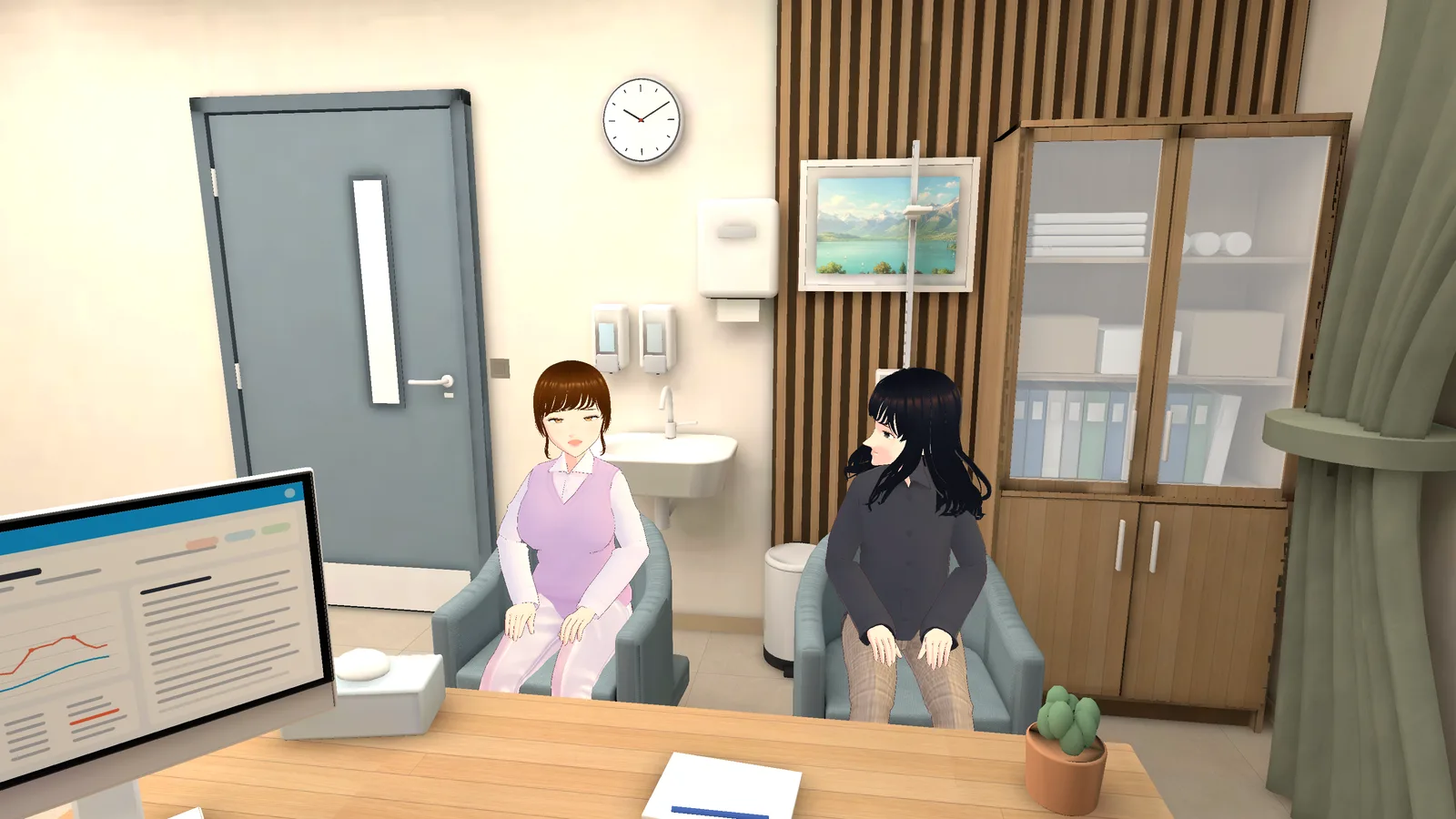
Prepare for OSCEs with a virtual patient
Tonight, you are the doctor. The patient talks to you, their vital signs move, the clock runs. You decide, they respond. Then the answer key, decision by decision.
What a station assesses, you practise here
An OSCE station puts the student in front of a standardised patient, with a brief, a time limit and a marking scheme. A Simunara case trains those same steps one by one, with no examiner looking over your shoulder.
-
History taking
You talk to the patient out loud or in writing. They answer from their story, their fears and what you ask them, never from a list of choices.
-
Clinical examination
You examine what you judge useful, and the finding follows what you look for. What you do not examine stays unknown, as at the bedside.
-
Clinical reasoning
You form your hypotheses, order tests and prescribe. The patient's vital signs change with your decisions, in real time.
-
The clock
Every case has its countdown. A case you leave picks up where you left it, as long as its time has not run out.
The answer key, decision by decision
At the end of the case, every decision is reviewed: what was right, what was borderline, what a senior would have done. A score on each axis, diagnosis, treatment, speed and safety, shows where to improve, and your weak points become practice missions.
The debrief stays in your space: you read it again whenever you like, without replaying the case, before a shift or the night before an exam.
Every case moves you up the ranks
Every case you finish earns you experience. Six ranks to climb, from Junior doctor to Master clinician, and a leaderboard for your cohort, your school and the whole platform.
- Junior doctor0 XPYou start here
- Registrar1,000 XP
- Senior registrar3,000 XP
- Fellow6,000 XP
- Clinical expert10,000 XP
- Master clinician15,000 XP
Stations to play
All clinical cases-
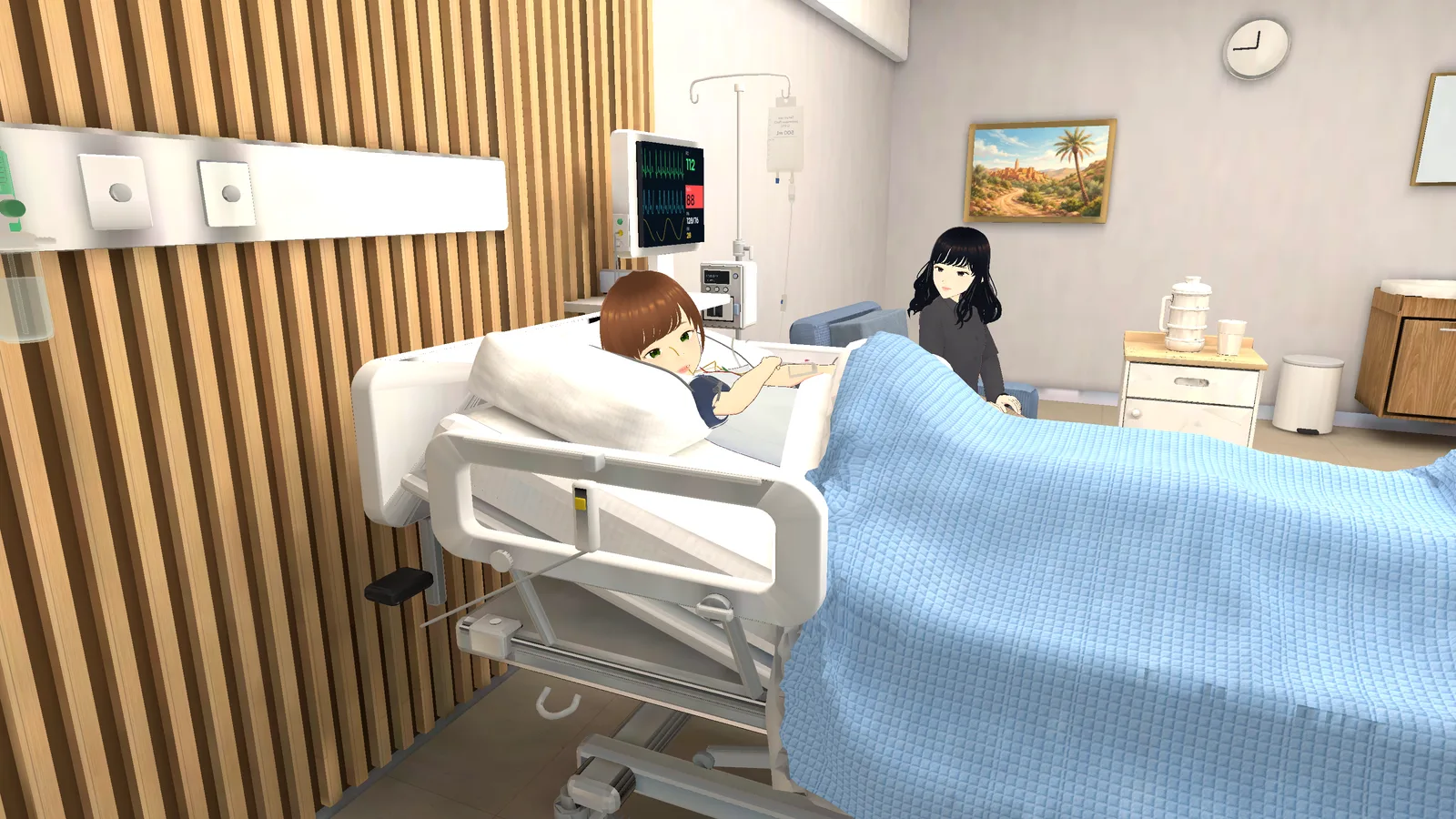 PaediatricsNew
Fever and general health deterioration in a 3-year-old child: Etiological orientation
Girl, 3 years · Emergency department Intermediate30 min -
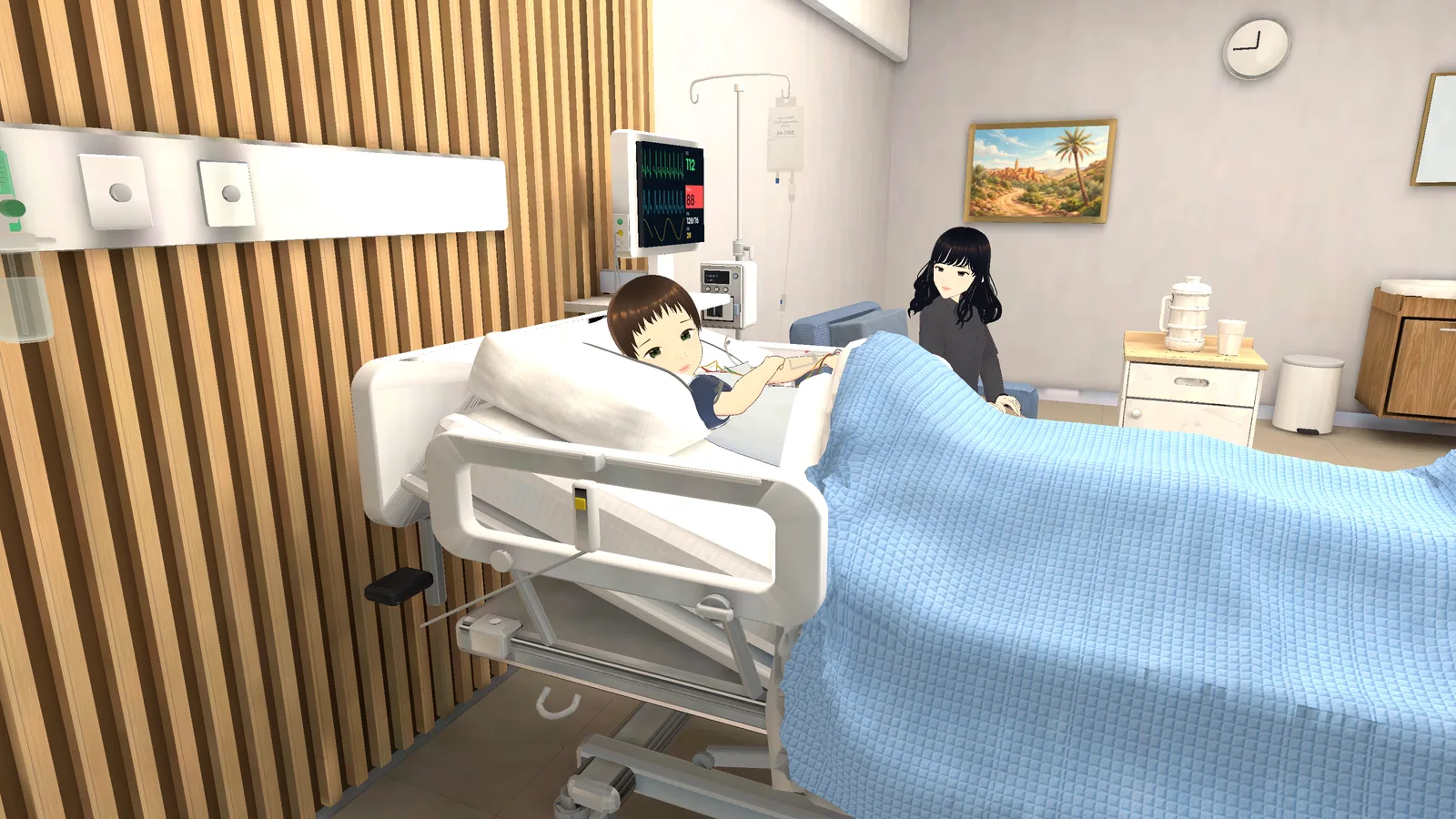 Otorhinolaryngology (ENT)New
Ocular deviation and fever
Boy, 29 months · Emergency department Advanced15 min -
NeurologyNew
Neurological Problems
Boy, 4 years · Hospital admission Advanced15 min -
PaediatricsNew
Fever and general condition deterioration in a 3-year-old child
Boy, 3 years · Emergency department Intermediate20 min -
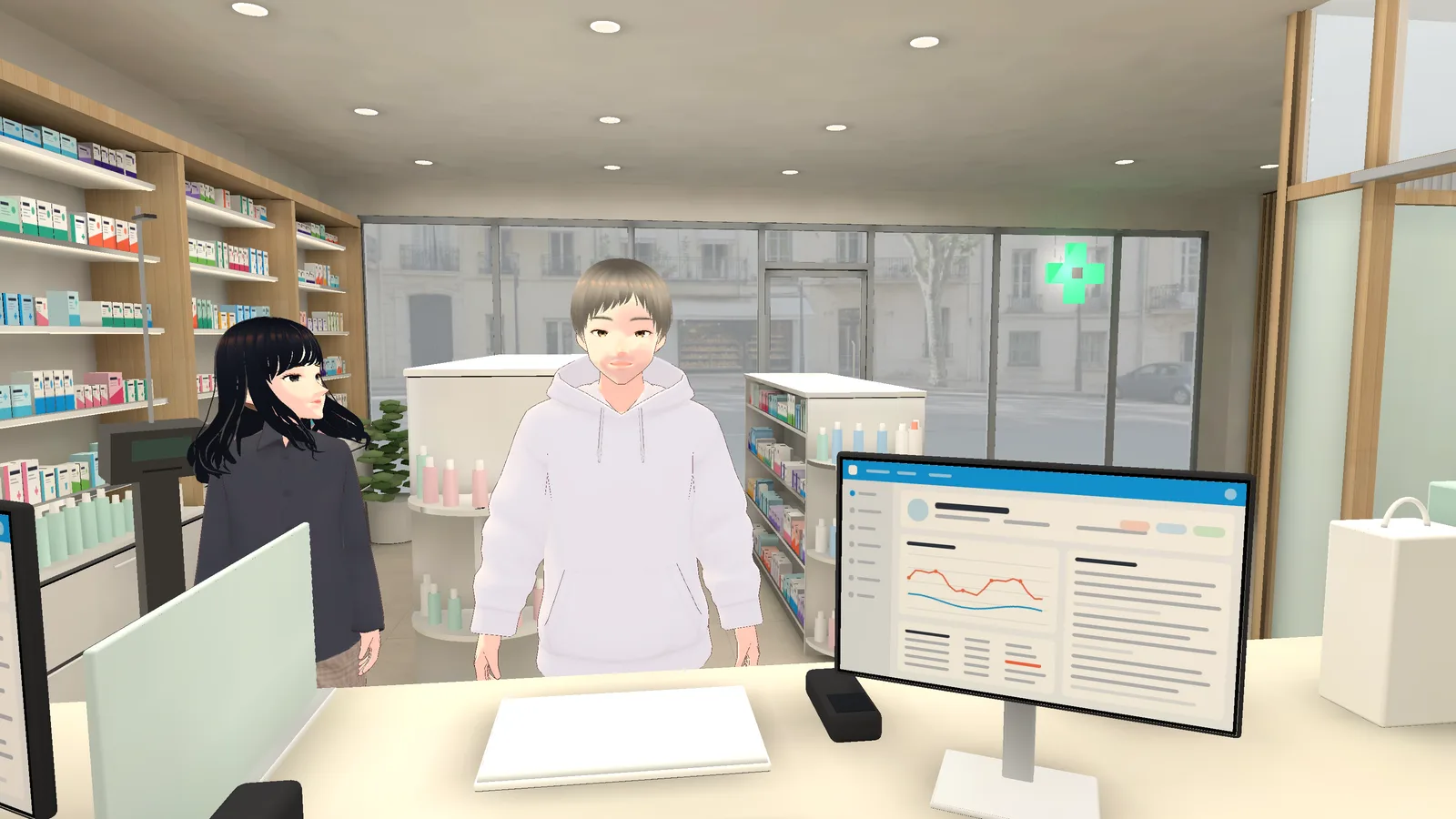 PharmacyNew
Heartburn
Man, 58 years · Pharmacy Intermediate10 min -
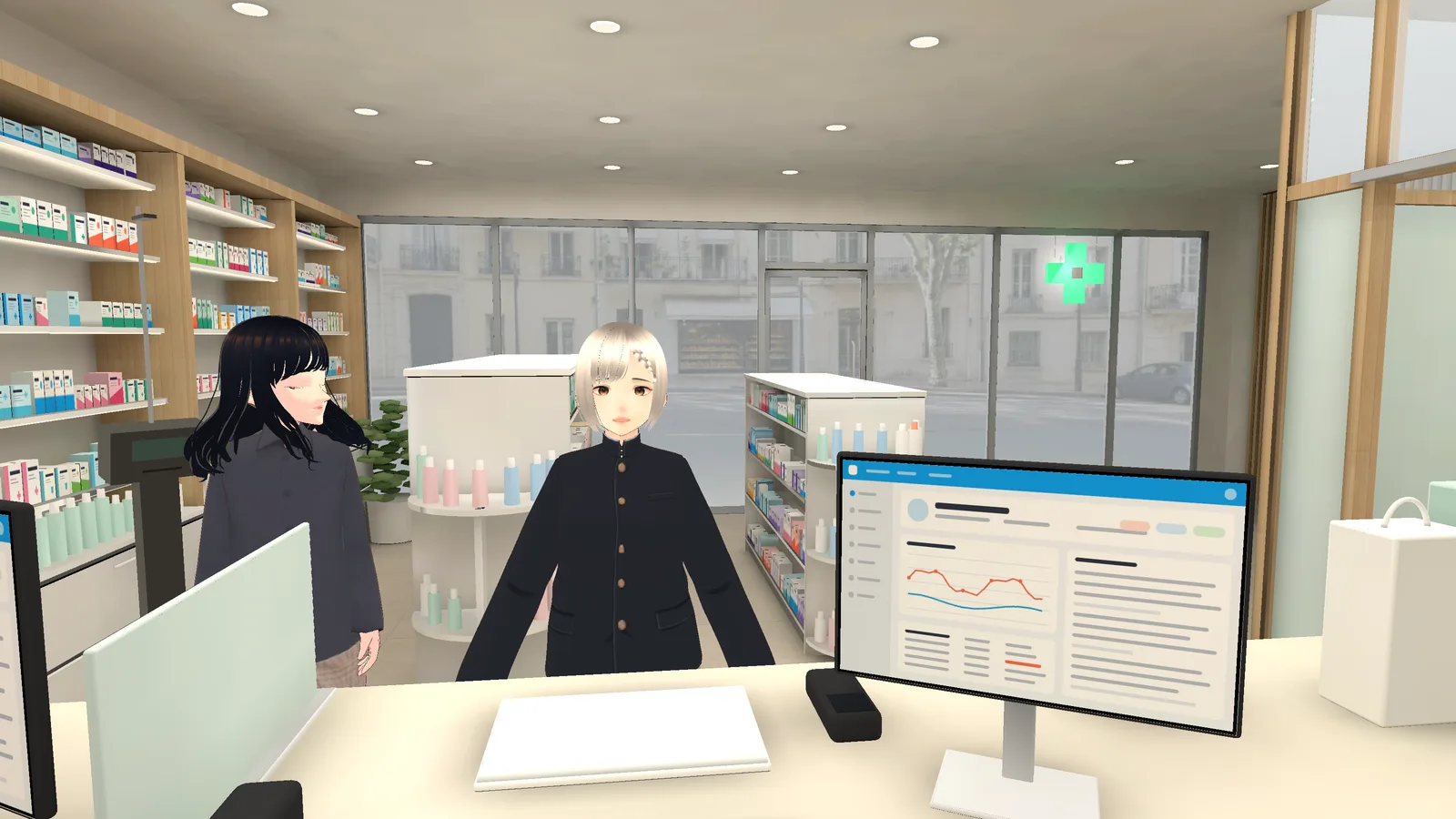 PharmacyNew
Prescription for the mouth
Woman, 72 years · Pharmacy Intermediate15 min -
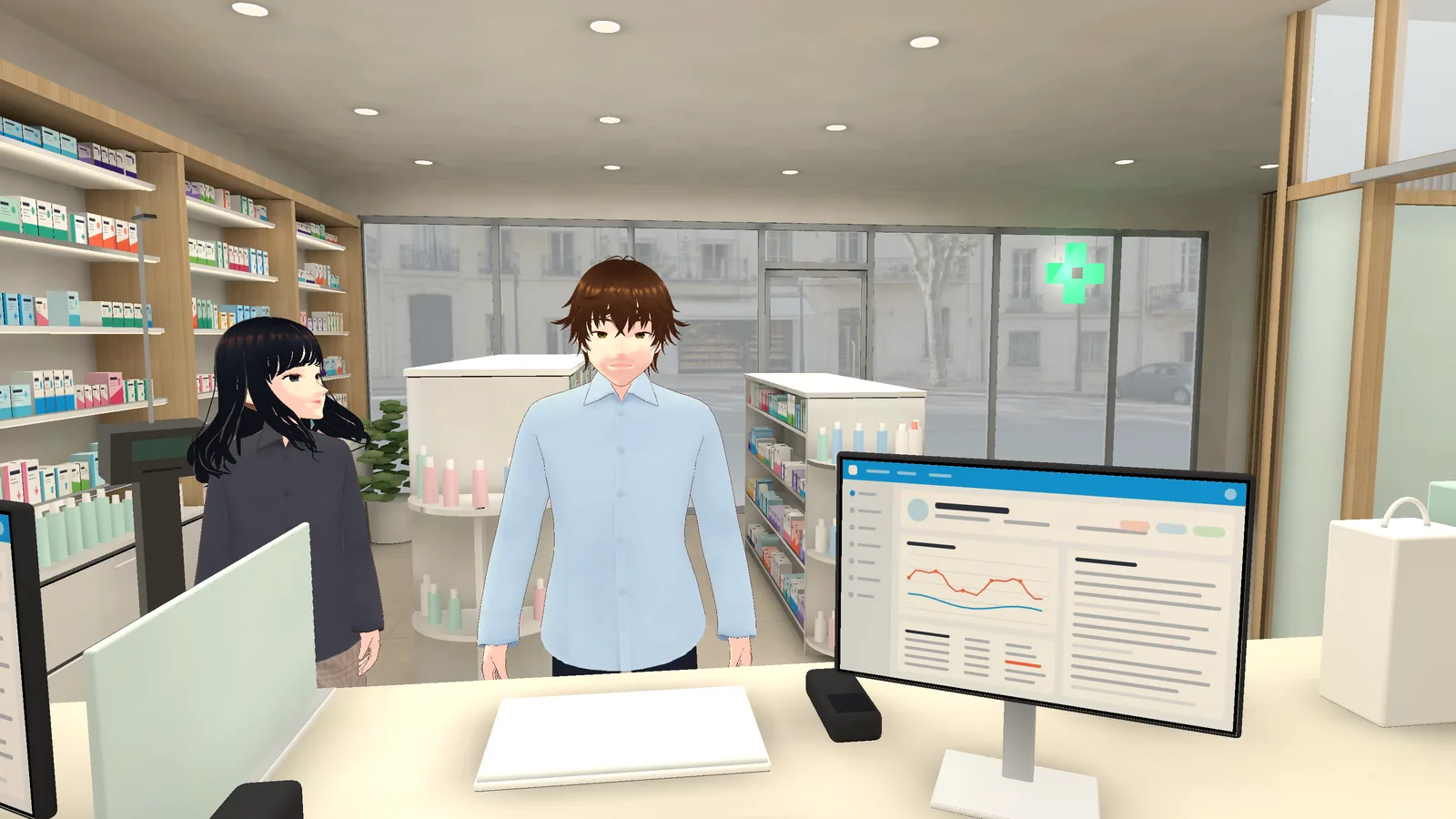 PharmacyNew
Itching between the toes
Man, 24 years · Pharmacy Beginner10 min -
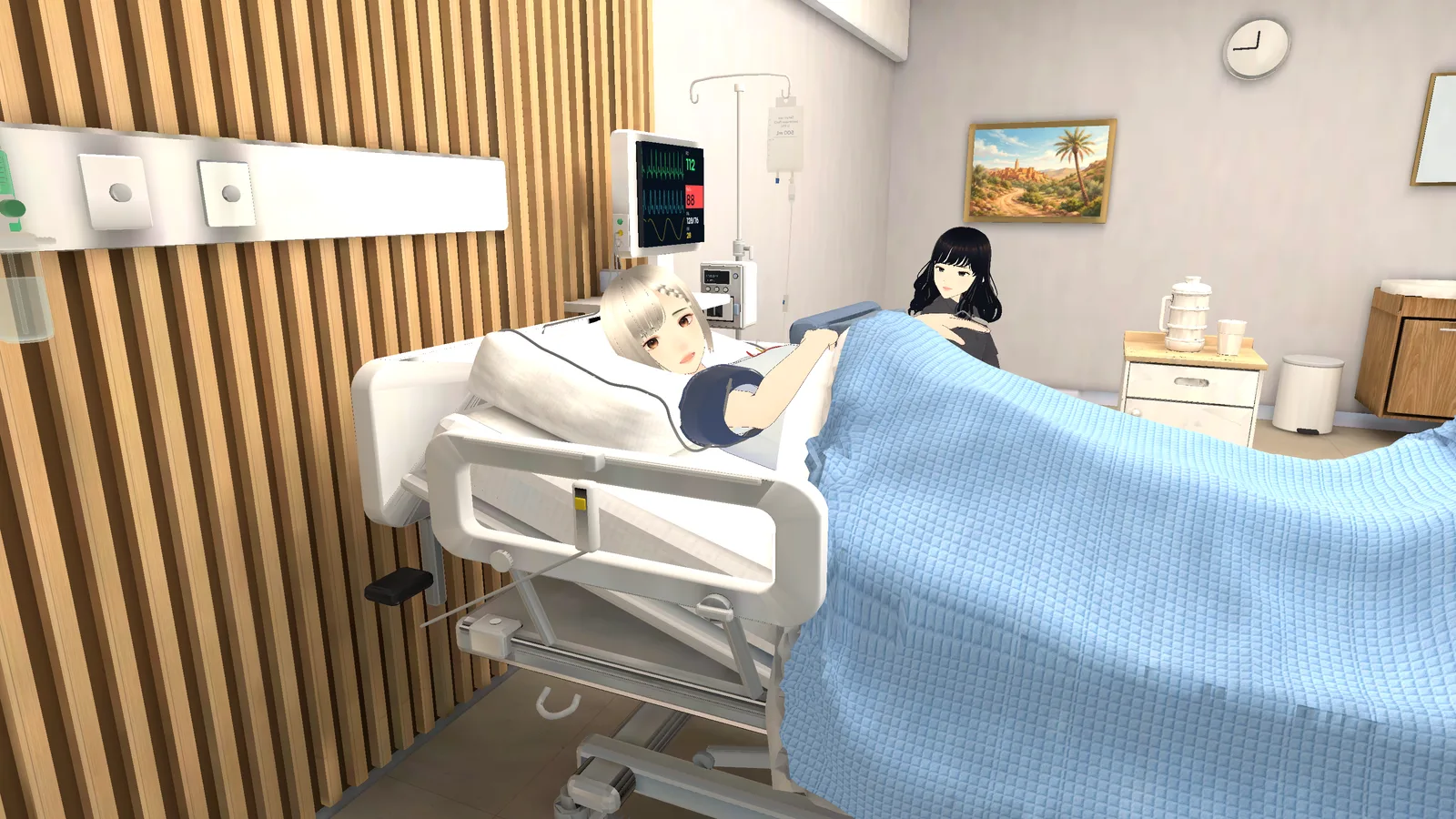 Visceral and digestive surgeryNew
Chronic abdominal pain and bloating in a 53-year-old woman
Woman, 53 years · Emergency department Advanced15 min
Your questions about OSCEs
Does Simunara replace my faculty's mock OSCEs?
No. Simunara adds to what your faculty organises: practice available at any hour, as often as you like, that prepares you for stations without reproducing their official marking schemes.
Does the patient really talk?
Yes. You speak to them out loud, your voice is transcribed and they answer you. You can also write to them. The patient is played by an artificial intelligence: their answers may contain mistakes.
Which languages can I practise in?
French and English. A case written in one language is translated into the other when it is published.
Which level are the cases for?
Mostly clinical students and junior doctors in training. Every case shows its level, beginner, intermediate or advanced, and its length.
Take up your post
Your badge fills in as you type. Access is by request: we reply within 24 to 48 hours with a link to create your account.
Already have an account? Sign in
We are reviewing your request
Our team usually grants access within 24 to 48 hours.
Show my tracking code
Keep this code to find your request on another device: